

In RealUrbanGreen, pilot areas are not just testing grounds, they are living environments where citizens, researchers, and local authorities work side by side to better understand and improve Urban Green Spaces (UGS).
At the core of this approach lies Citizen Science: a way of involving people directly in collecting, observing, and interpreting environmental data. This is not only about generating knowledge, but about building a shared understanding of how green spaces function, how they are used, and how they can evolve in response to climate and social challenges.
Within WP1, pilot areas host participatory activities that invite residents and local communities to engage in:
- environmental monitoring
- observation of biodiversity and microclimate conditions
- shared assessment of how green spaces are experienced and perceived
These collective insights form the basis for the next steps of the project.
From data to co-design
The information gathered through citizen science feeds into a broader process of co-design (WP2), where stakeholders collaboratively explore solutions to enhance the quality and performance of urban green spaces. This includes improving ecosystem services, strengthening resilience to climate stress, and reconnecting communities with their local environments.
In turn, these solutions are translated into action through co-implementation (WP3), supported by multi-stakeholder agreements that enable testing and long-term adoption at local level.
A diverse network of pilot areas
RealUrbanGreen brings together eight pilot areas across the Euro-Mediterranean region, each reflecting different environmental, climatic, and social contexts:
- Rome; Locorotondo (IT)
- Alvito (PT)
- Alzira (ES)
- Sarajevo (BA)
- Ptuj (SI)
- Lakatamia (CY)
- Athens (GR)
From large metropolitan parks to smaller urban gardens, from Mediterranean to continental climates, these sites face a range of challenges—from biodiversity loss and drought to urban heat and limited citizen engagement. This diversity allows the project to test a flexible and adaptable model for UGS improvement.
Participating locally: scan and connect
This page will be progressively updated with dedicated QR codes for each pilot area.
By scanning a QR code, you will be able to:
- join local citizen science activities
- receive updates on ongoing initiatives
- get in touch with project partners
- contribute directly to the observation and improvement of your local green space
Pilot areas and access points
Rome (Italy)

Rome Pilot Area | Citizen Science
Locorotondo (Italy)

Locorotondo Citizen Science
Alvito (Portugal)
[ QR CODE – COMING SOON ]
Alzira (Spain)
[ QR CODE – COMING SOON ]
Sarajevo (Bosnia-Erzegovina)
[ QR CODE – COMING SOON ]
Ptuj (Slovenia)
[ QR CODE – COMING SOON ]
Lakatamia (Cyprus)
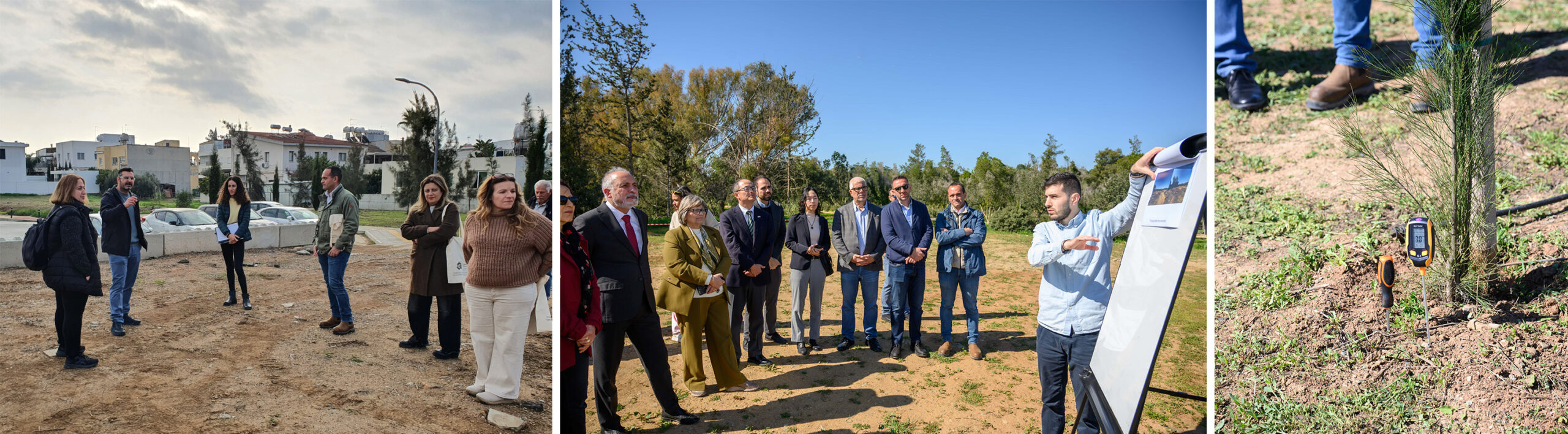
Study Visit Applying a Citizen Science Approach in the Lakatamia Pilot Area
Cyprus Energy Agency will undertake the design and implementation of Tiny Forest in the Municipality of Lakatamia. Tiny Forests are small-scale and densely planted urban forests, consisting of native trees and shrubs. Beyond the multiple benefits against climate risks, the goal is to plant, maintain, and upgrade Urban local Green Spaces in collaboration with the local community (schools, volunteers etc.), thus strengthening the sense of contribution and ownership.
Athens (Greece)
[ QR CODE – COMING SOON ]
Towards more resilient and inclusive green spaces
By combining data collection, community engagement, and collaborative design, RealUrbanGreen aims to demonstrate how urban green spaces can become more resilient, inclusive, and responsive to both environmental and social needs.
Building on experiences from European initiatives such as GREENGAGE, the project integrates innovative tools and participatory methods to support evidence-based decision-making and long-term sustainability.
Ultimately, RealUrbanGreen shows that when citizens are actively involved, green spaces are not only better understood, they are better cared for, better designed, and better shared.
